Decorating your garden doesn’t just stop at planting flowers or setting up garden gnomes. One of the most crucial elements that can define your garden's aesthetics and functionality is the type of fencing you choose. Fencing can provide security, privacy, and an attractive boundary to your outdoor space. In this comprehensive guide, we’ll explore various decorative garden fencing designs and how they contribute to enhancing your garden's appeal.
What is Decorative Garden Fencing?
Decorative garden fencing refers to a variety of fencing styles designed not only for functional purposes but also for aesthetics. Unlike standard fences, decorative fences add charm and personality to your garden. They can be made from various materials such as wood, vinyl, aluminum, or wrought iron.
Why Choose Decorative Fencing?
Choosing decorative fencing can elevate the look of your garden while providing essential benefits:
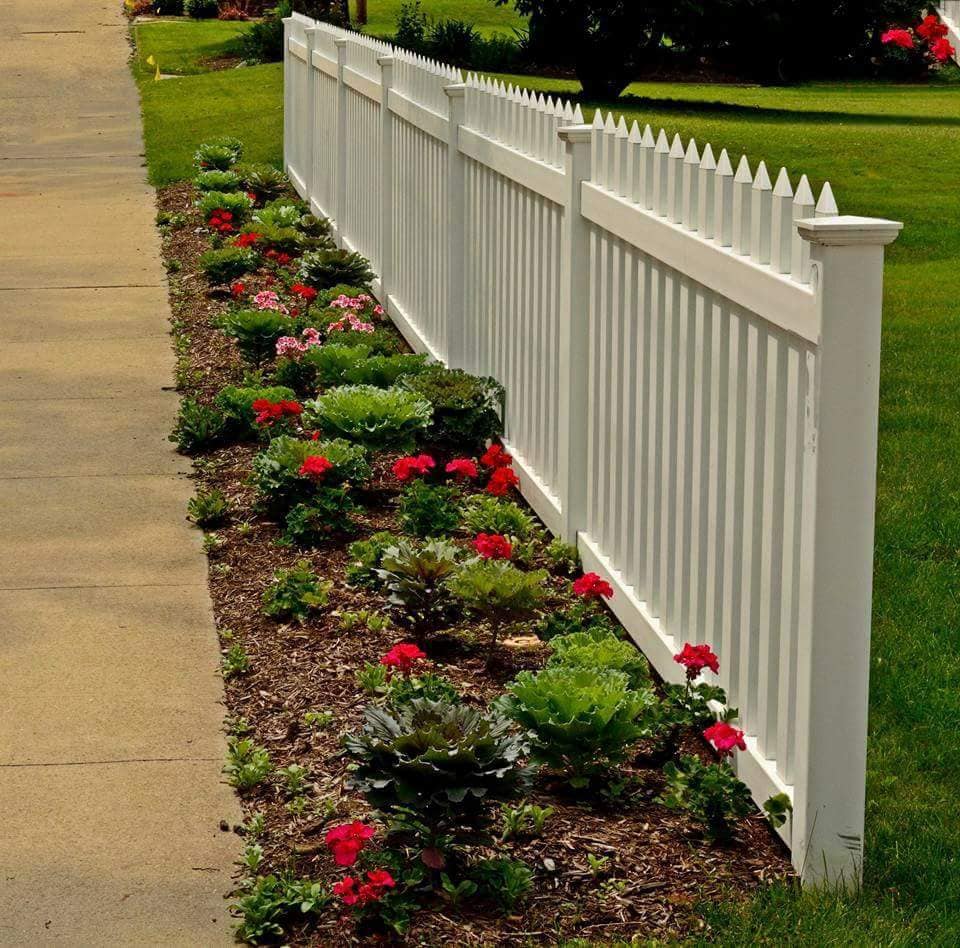
- Aesthetic Appeal: Decorative fences come in various styles that can match or complement your home’s architecture. Privacy: A well-installed privacy fence helps create a secluded oasis in your backyard. Security: Stronger types of decorative fencing deter intruders while adding beauty. Boundary Definition: They mark property lines clearly without being overly imposing.
Materials Used in Decorative Fencing
When it comes to decorative garden fencing designs, the material you choose plays a significant role in both appearance and function. Here are some popular options:
1. Wood Fence Installation
Wooden fences offer a classic look and versatility:
- Types of Wood: Cedar is popular for its natural resistance to decay, while treated pine is often more affordable. Styles: Available in picket, split rail, and solid panel designs.
2. Vinyl Fence Installation
Vinyl fencing is gaining popularity due to its durability:
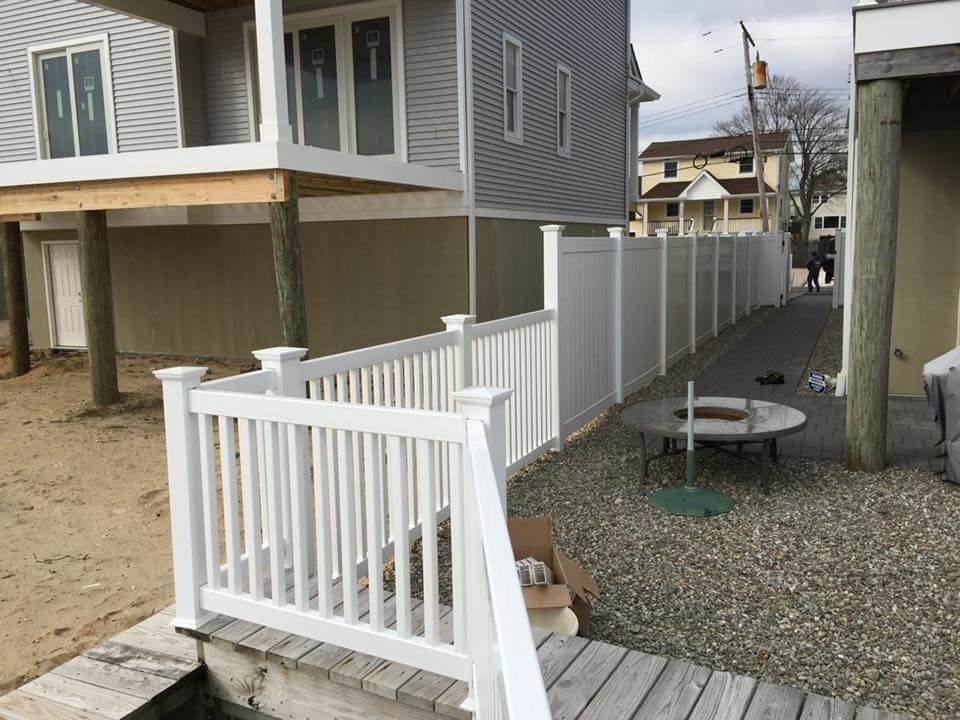
- Maintenance-Free: Unlike wood, vinyl doesn’t need painting or staining. Variety of Styles: Available in different colors and styles that mimic wood.
3. Aluminum Fence Installation
Aluminum offers strength without sacrificing style:
- Lightweight: Easy to install yet sturdy. Rust Resistance: Perfect for areas with high moisture levels.
4. Wrought Iron Fence Installation
For a timeless look, wrought iron stands out:
- Elegant Designs: Customizable ornate designs can enhance curb appeal. Durable: Extremely strong and long-lasting.
5. Chain Link Fence Installation
While not typically seen as decorative, chain link can be dressed up:
- Cost-effective: Affordable option for large areas. Customizable Coatings: Available in various colors for added aesthetics.
Design Styles for Decorative Garden Fencing
When considering decorative garden fencing designs, several styles stand out:
1. Picket Fences: Nostalgic Charm
Picket fences evoke feelings of nostalgia and are synonymous with suburban life.
Pros:
- Great for defining boundaries without obstructing views. Can be painted any color for personalization.
Cons:
- Not ideal for privacy; consider adding trellises or vines for coverage.
2. Lattice Fences: Elegant Vertical Lines
Lattice panels add vertical interest and can support climbing plants beautifully.
Pros:
- They allow light through while offering some privacy. Perfect backdrop for climbing roses or ivy.
Cons:
- May require additional maintenance over time; check regularly for weak spots.
3. Horizontal Slat Fences: Modern Appeal
Horizontal slat fences create a contemporary aesthetic that's becoming increasingly popular among homeowners.
Pros:
- Offers more privacy than traditional vertical slats. Unique design distinguishes modern homes from conventional ones.
Cons:
- Requires precise installation; poor alignment can ruin the look.
Understanding the Basics of Decorative Garden Fencing Designs: Installation Process
The installation process can vary based on the type of fence chosen but generally follows these steps:
Planning & Design- Determine where you want the fence installed. Check local zoning laws regarding height restrictions and property lines.
- Purchase required materials based on selected design (wood panels, vinyl sheets, etc.). Gather tools like post hole diggers, levelers, hammers, etc.
- Dig holes about 2 feet deep (or below frost line). Insert posts into holes ensuring they are level before securing them with concrete mix.
- Attach panels between posts using screws or brackets based on material type. Install gates last; ensure they swing freely without obstruction.
- Apply paint/stain if necessary (especially important for wooden fences). Ensure all fixtures are secure before concluding the project.
DIY vs Hiring Professional Fence Installers: What's Best?
When it comes to fence installation—should you go DIY or hire professional fence contractors? Let's weigh both options!
DIY Fence Installation
Pros:
- Cost-effective; save on labor costs! Personal satisfaction from completing a project yourself.
Cons:
- Time-consuming; may take longer than anticipated if inexperienced. Risk of mistakes leading to additional costs down the line (like needing fence repair services).
Hiring Professional Fence Installers
Pros:
- Experienced professionals ensure proper installation according to local codes. Warranty-backed work provides peace of mind if issues arise later on (like needing fence replacement services).
Cons:
- Higher upfront cost compared to doing it yourself Less control over timeline depending on contractor availability.
FAQs About Decorative Garden Fencing Designs
What’s the best type of fence for privacy?
A solid wood or vinyl privacy fence installation would provide excellent coverage against prying eyes! These types typically reach six feet high which keeps things cozy within your backyard space!
How much does professional fence installation cost?
Costs vary widely based on material choice, yard size, area location but expect anywhere from $15-$50 per linear foot when hiring licensed fence contractors plus materials! Always request a detailed estimate upfront!
Can I install my own decorative garden fencing?
Absolutely! If you're handy with tools and have some basic knowledge about fence post installation techniques then go ahead! Just make sure you research thoroughly before jumping into it!
How do I maintain my wooden decorative fence?
Regularly check joints/areas where water might accumulate especially after rainstorms! It’s advisable every couple years treat wood with sealant/preservative against rot/mildew growth too!
What should I consider when choosing materials?
Think about durability suited climate conditions surrounding property along with budget constraints! Do you prefer low-maintenance options like vinyl over traditional woods?
How long does it take to install a decorative fence?
Installation duration depends largely upon complexity involved—simple projects might get done within one day whereas elaborate designs could take several days!
Conclusion
Decorative garden fencing designs not only serve as practical boundaries but also beautify your outdoor spaces significantly! Whether you’re leaning towards sturdy vinyl installations or charming wooden picket styles—there's something out there tailored just right for YOUR vision!
By understanding fundamental aspects such as material choices alongside their pros/cons—as well as weighing DIY versus vinyl fence installation hiring professionals—you'll be equipped well enough navigate through this exciting journey towards creating an enchanting atmosphere within YOUR own backyard sanctuary!
So roll up those sleeves—or call up those licensed contractors—and let’s get started on transforming that ordinary plot into something extraordinary today! Your dream oasis awaits!